

CEDAW Article 6: Obligates states to suppress trafficking and the exploitation of prostitution
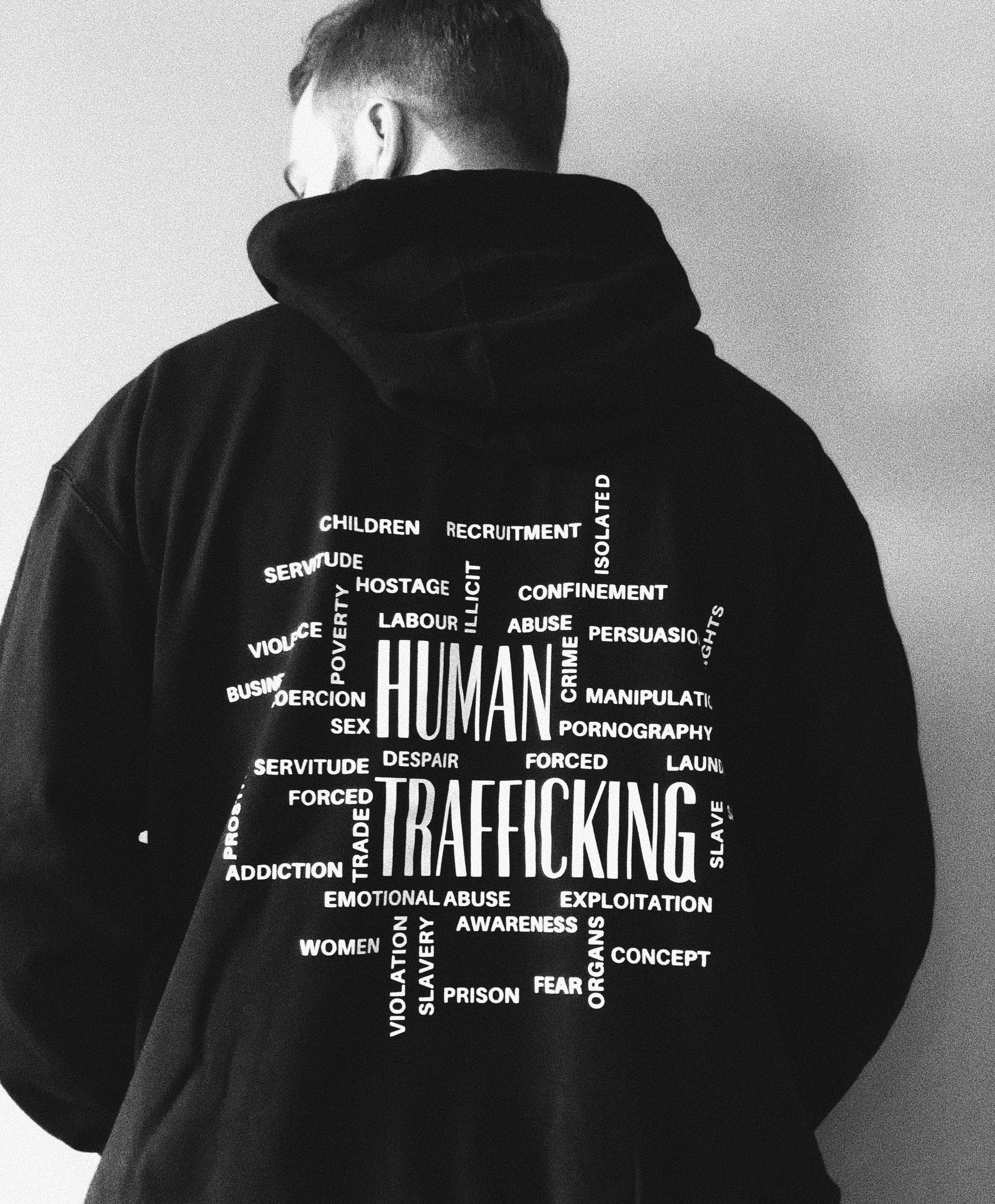
Article 6 names one concrete practice and tells states to suppress it.
What it states
States Parties shall take all appropriate measures, including legislation, to suppress all forms of traffic in women and exploitation of the prostitution of women.
It doesn't define trafficking or exploitation, and it doesn't specify what "appropriate measures" means in practice. Both of those gaps ended up mattering.
The vehicle article
Because Article 6 is so sparse, the CEDAW Committee had to build out its meaning long after 1979. That happened in 2020, with General Recommendation No. 38, the Committee's first full elaboration of what Article 6 actually requires, including guidance aimed at digital platforms, since online recruitment into trafficking didn't exist as a concept when the Convention was drafted. The Committee has also stated plainly that trafficking and the exploitation of prostitution are rooted in structural sex-based discrimination and count as gender-based violence, a connection the original 1979 text never draws, since CEDAW as adopted doesn't address violence against women directly anywhere in its text. Article 6 is one of the narrow doors through which that gap later got addressed.
The article's brevity has also made it a site of real disagreement. Legal commentators and advocacy groups differ sharply over whether "exploitation of the prostitution of women" targets prostitution itself or only its more coercive forms, a dispute that tracks the broader, unresolved global divide over how the law should treat sex work.
Reservations
Article 6 draws almost no reservations. That's a distinct pattern from everything else in this series so far: suppressing trafficking and exploitation is one of the only commitments in the Convention's opening cluster that draws no political cost to accept, anywhere.