

Maputo Article 5: Elimination of Harmful Practices
What it does
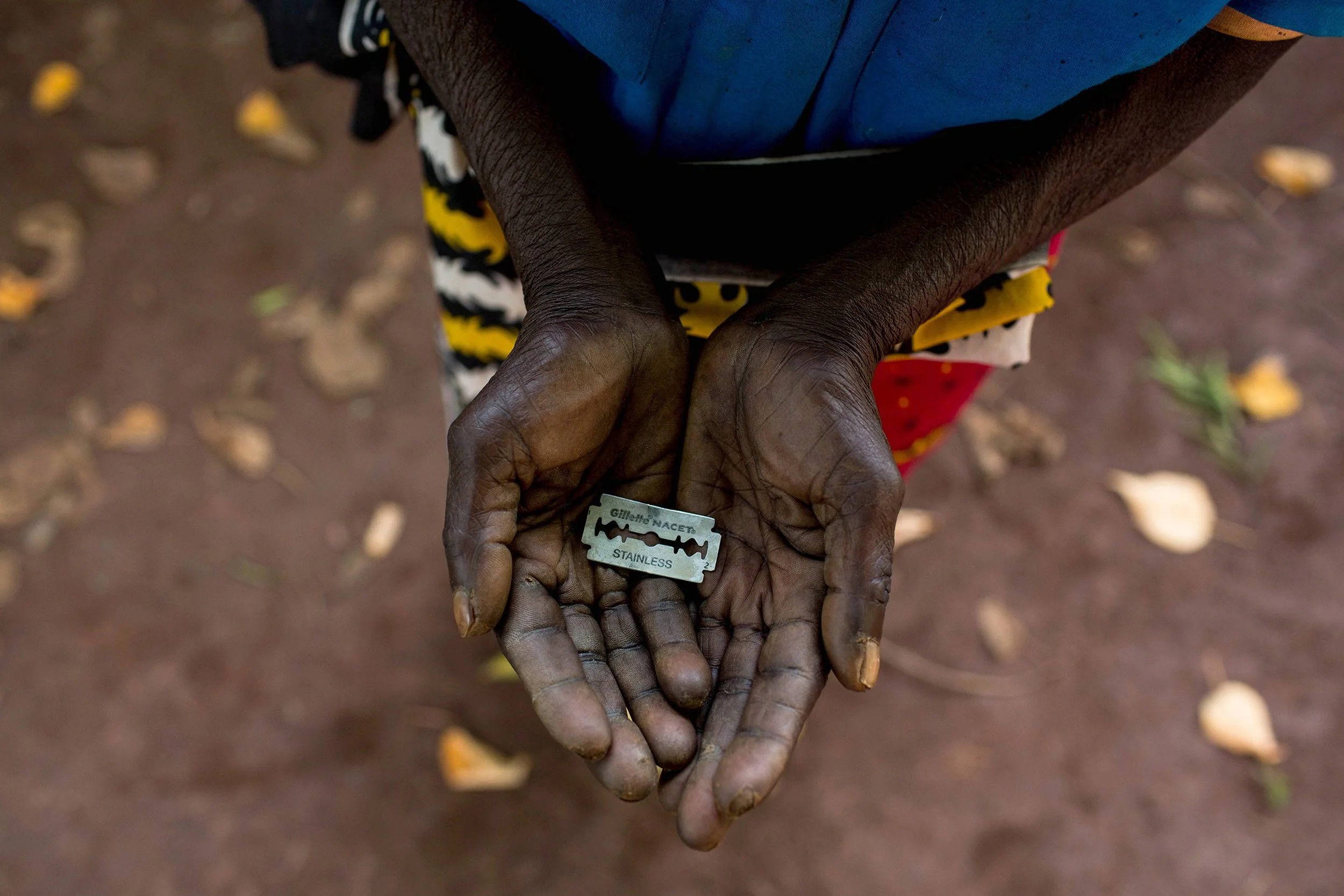
Article 5 is the article the entire Protocol is most often remembered for. It's where female genital mutilation(FGM) is named and prohibited outright. It sits downstream of Article 1's definition of "harmful practices" and Article 2(2)'s general commitment to modify cultural patterns; Article 5 is where those become a specific, enforceable ban rather than a general aspiration.
What it states
States Parties are required to prohibit and condemn all harmful practices that negatively affect women's human rights and contradict recognized international standards, through four specific measures:
(a) Create public awareness across all sectors of society through information, formal and informal education, and outreach
(b) Prohibit, through legislation backed by sanctions, all forms of female genital mutilation, scarification, and the medicalisation or para-medicalisation of FGM, along with any other such practice
(c) Provide support to victims of harmful practices through health services, legal and judicial support, psychological counselling, and vocational training toward self-sufficiency
(d) Protect women at risk of harmful practices or other forms of violence, abuse, and intolerance
Use as a vehicle for new protections
This is the article most directly responsible for Maputo's global reputation. No other binding human rights treaty names and prohibits FGM this specifically. CEDAW addresses harmful practices only in general terms through Article 5's "social and cultural patterns" language and later General Recommendations, never naming a specific practice in its own text. Maputo also explicitly closes a loophole many domestic legal systems miss: it bans "medicalisation and para-medicalisation" of FGM, meaning the practice performed by medical professionals under clinical conditions is prohibited just as much as the traditional form. That's a real, specific response to a documented workaround where FGM has moved into medical settings to evade legal prohibition or reduce health risk while still occurring.
Reservations
No State Party has entered a reservation against the FGM prohibition or the harmful-practices framework itself. That's a genuinely notable data point: states are willing to resist Maputo on marriage registration, divorce procedure, and reproductive rights, but not on the specific ban on FGM, even in countries where the practice persists in fact. The gap between what's legally unreserved and what's actually enforced on the ground is where this article's real story lives, and it's a gap Kenya's own 2011 FGM Prohibition Act illustrates well: legally compliant with Article 5, criminalizing FGM with penalties up to life imprisonment, while prevalence has persisted unevenly depending on enforcement.