

CEDAW Article 8: Requires states to ensure women can represent their governments internationally and participate in international organizations
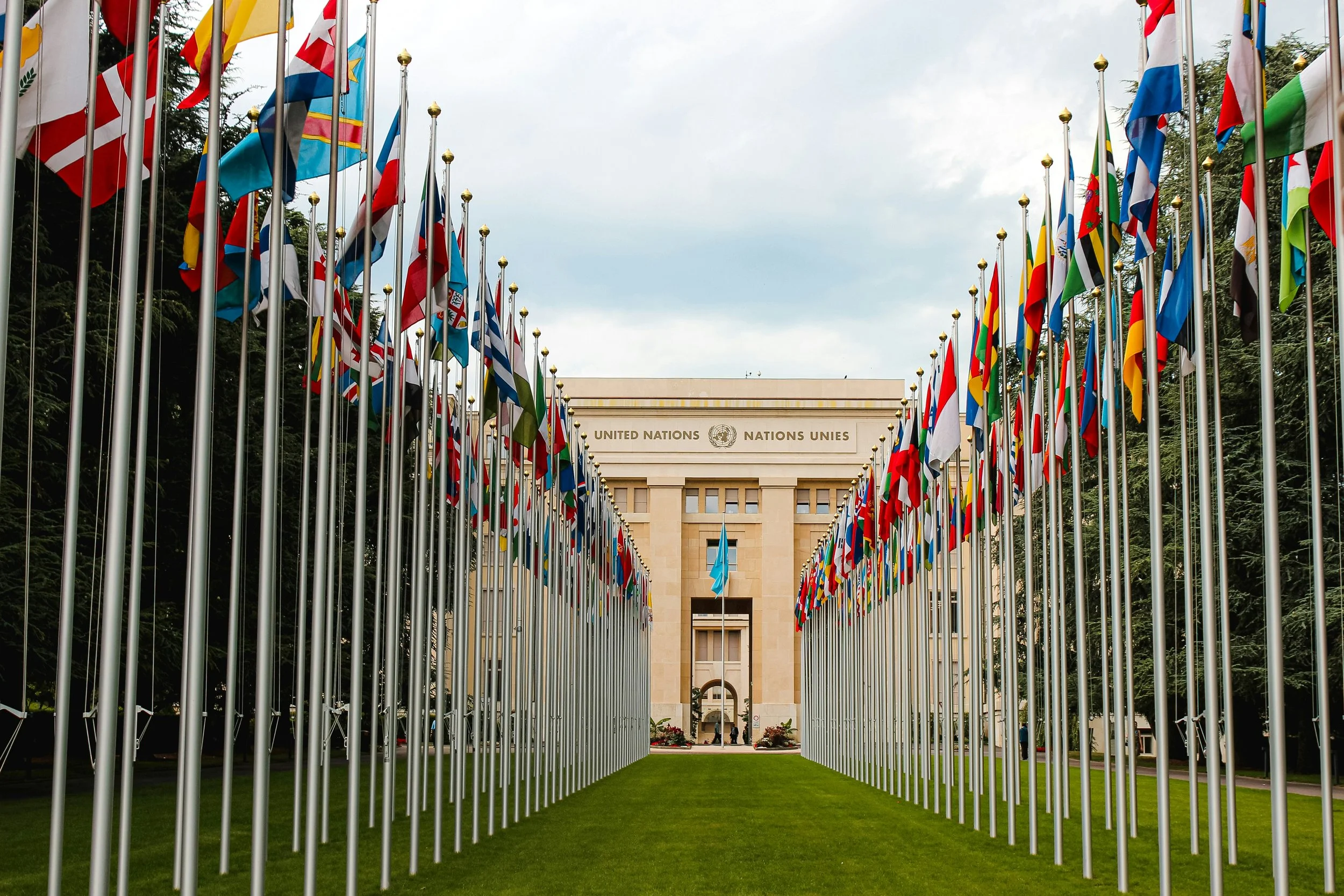
Article 8 asks who speaks for a country when it stands outside its own borders. A state can open its parliament, cabinet, and civil service to women under Article 7 and still send only men to the negotiating table, the treaty body, or the ambassadorial post. Article 8 exists because national access doesn't automatically become international presence.
What it states
States must take all appropriate measures to ensure women, on equal terms with men and without any discrimination, the opportunity to:
represent their governments at the international level; and
participate in the work of international organizations.
The first limb covers the diplomatic corps, delegations to treaty negotiations, and seats on international bodies. The second reaches the UN system and other international organizations, where states nominate, endorse, and fund the people who end up in senior roles. Article 8 doesn't guarantee a particular outcome. It requires that the opportunity be equal, and "all appropriate measures" leaves states to work out how.
Vehicle for new protections
The Committee has treated Article 8 as something that needs active measures, not passive openness. General Recommendation 8, adopted in 1988, is devoted entirely to it. It recommends that states take further direct measures under Article 4 to ensure Article 8 is fully implemented. That makes it one of the earliest recommendations the Committee issued, and the reason is structural: foreign ministries often run on closed networks of appointment, seniority, and patronage, and equal eligibility on paper doesn't change who gets posted.
General Recommendation 23 (1997) then folds Article 8 into its broader account of women in public life alongside Article 7. The pattern is the same as in Article 7. Article 8 supplies the target, which is women actually present on delegations and in international bodies. Article 4's temporary special measures supply the permission to use targets and quotas to get there.
Reservations
The absence of a reservation tells us a state didn't feel the need to protect an exclusion in writing. It doesn't tell us who is sitting behind the nameplate at the General Assembly.