

Maputo Protocol Article 9: Right to Participation in the Political and Decision-Making Process
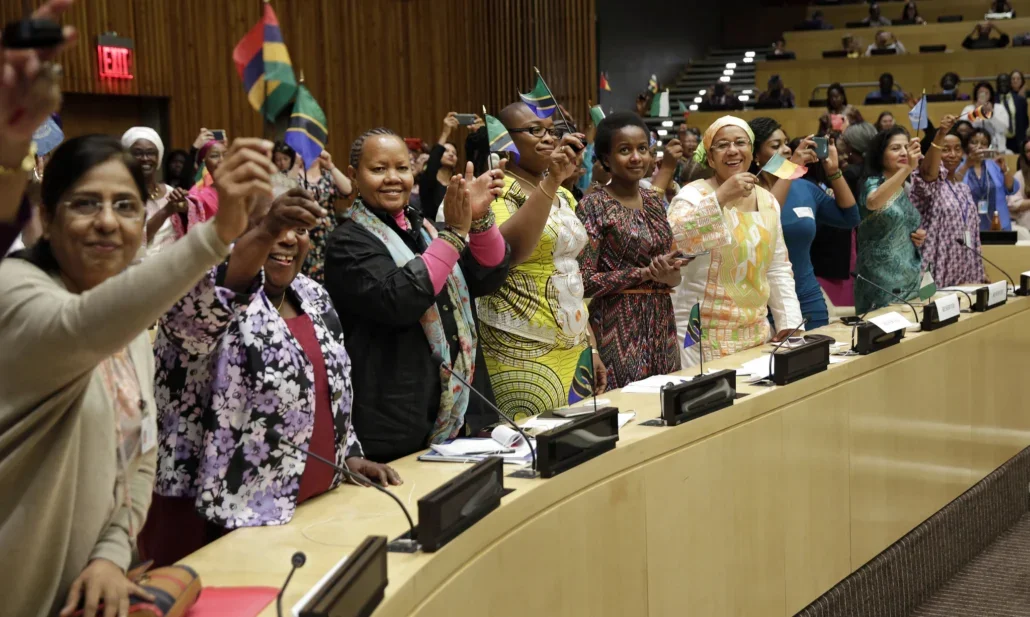
Article 9 is where Maputo moves political equality from a passive non-discrimination guarantee into an affirmative obligation. It doesn't just prohibit states from blocking women's participation. It requires them to actively build the conditions for it.
What it states
Paragraph 1 requires States Parties to take specific positive action, through affirmative action, enabling legislation, and other measures, to ensure:
(a) Women participate without any discrimination in all elections
(b) Women are represented equally at all levels with men in all electoral processes
(c) Women are equal partners with men at all levels in the development and implementation of state policies and development programmes
Paragraph 2 adds a broader obligation: states must ensure increased and effective representation and participation of women at all levels of decision-making generally, not just in formal electoral politics.
Use as a vehicle for new protections
The phrase "equally represented at all levels" in 9(b) is not framed as a ceiling to avoid discrimination against women, but as a representational target states are obligated to work toward. This is the textual basis many African states have pointed to when implementing legislated gender quotas in parliament, which several Maputo signatories have adopted in the two decades since ratification. CEDAW's Article 7 covers similar territory, eliminating discrimination in political and public life, but doesn't use "equally represented" language this directly; it guarantees the right to participate and hold office, without specifying an equal-representation target the way Maputo's text does.
Paragraph 1(c), equal partnership specifically in policy development and implementation, also reaches further than most domestic frameworks.
Reservations
Egypt, Libya, and Zambia have entered reservations touching Article 9, generally where the affirmative-action and quota-style measures it implies conflict with existing electoral or constitutional frameworks that don't accommodate gender-based quotas. It's a smaller reservation cluster than Articles 6 or 14, but notable. It shows a handful of states drawing a line specifically at mandated representation, even while accepting the general non-discrimination principle.