

Women’s health: returning abortion regulation to the states
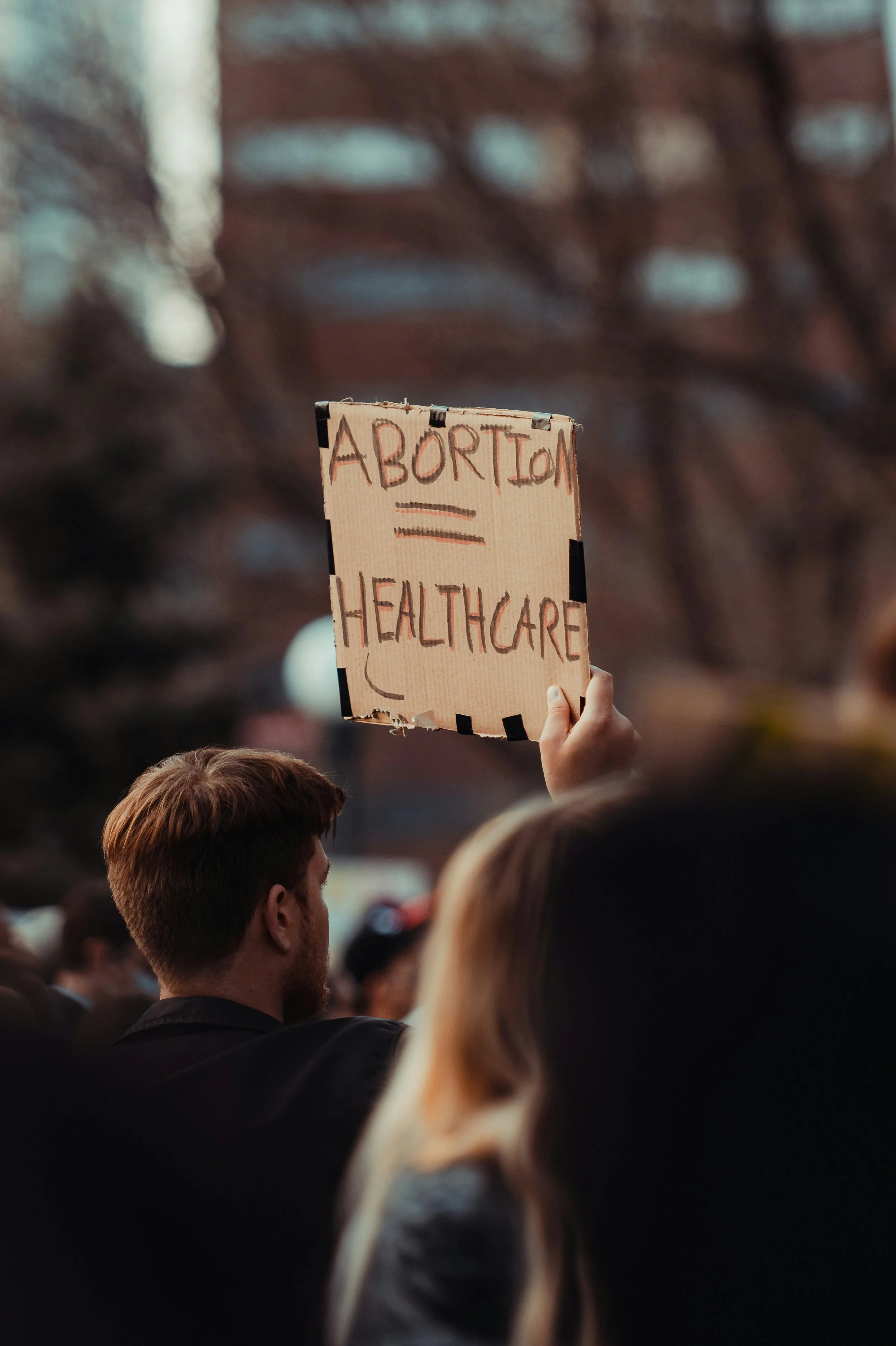
On June 24, 2022, the Supreme Court decided Dobbs v. Jackson Women's Health Organization, the case that tested Mississippi's Gestational Age Act, a 2018 law banning most abortions after 15 weeks, with exceptions only for medical emergencies and severe fetal abnormalities. Mississippi's law was itself a direct challenge to Roe and Casey, since 15 weeks falls well before viability, the point those precedents had made the cutoff for state bans. The Court didn't just uphold Mississippi's law. It went further and overturned Roe v. Wade and Planned Parenthood v. Casey outright, eliminating the federal constitutional right to abortion entirely.
What it stated
Justice Samuel Alito wrote the majority opinion, joined by Thomas, Gorsuch, Kavanaugh, and Barrett. The Court's central holding was that the Constitution does not mention abortion, and no right to it can be found implicit in any constitutional provision, including the Due Process Clause of the Fourteenth Amendment, the same clause Roe had relied on. Because the right wasn't, in the majority's view, "deeply rooted in the nation's history" or essential to "ordered liberty," it didn't warrant special constitutional protection. The majority laid out five factors for overturning precedent and found all five satisfied: Roe and Casey had short-circuited the democratic process, lacked grounding in constitutional text or history, produced an unworkable legal test, distorted other areas of law, and overruling them wouldn't upend reliance interests strong enough to outweigh those problems. The conclusion: the authority to regulate abortion "is returned to the people and their elected representatives."
What changed immediately
Because Roe and Casey had been the only thing forcing every state to allow abortion up to viability, their removal created fifty separate ones overnight. States with "trigger laws," pre-written bans designed to take effect the moment Roe fell, banned abortion within days or weeks. Others moved the opposite direction, expanding protections or enshrining abortion rights in state constitutions through ballot initiatives. The result is a country where whether abortion is legal, and under what circumstances, now depends entirely on which state someone is in.
Its legacy as a vehicle
Dobbs removed the assumption every other piece of reproductive-health law had been quietly resting on. Title X funding fights, the ACA's contraceptive mandate, and EMTALA's emergency-care obligations had all operated for decades against a backdrop where a federal abortion floor was fixed and only the ceiling was up for debate. Dobbs took the floor away. That's why the EMTALA fight, over whether federal emergency-care law can require abortion in medical emergencies even in states that ban it — is happening now, in real time, and didn't need to exist before 2022: there was no floor left for federal law to have to reinforce.