

Feminism through culture, policy and law.
THE
ARTICLES
Feminism through culture, policy and law.

Violence against women: the Campus Save Act
Violence against women: the Campus Save Act
The Campus Sexual Violence Elimination (SaVE) Act, requires colleges receiving federal student aid to disclose campus crime statistics.

Violence against women: Untested rape kits and what the law requires
Violence against women: Untested rape kits and what the law requires
An estimated 49,248 rape kits sit untested in evidence storage across the United States right now, according to the most recent count from the Joyful Heart Foundation.

Violence against women: The law that keeps almost dying
Violence against women: The law that keeps almost dying
The Violence Against Women Act is a law with broad, near-universal public support in the abstract, and yet it has lapsed, stalled, or nearly collapsed at almost every reauthorization since it passed in 1994.
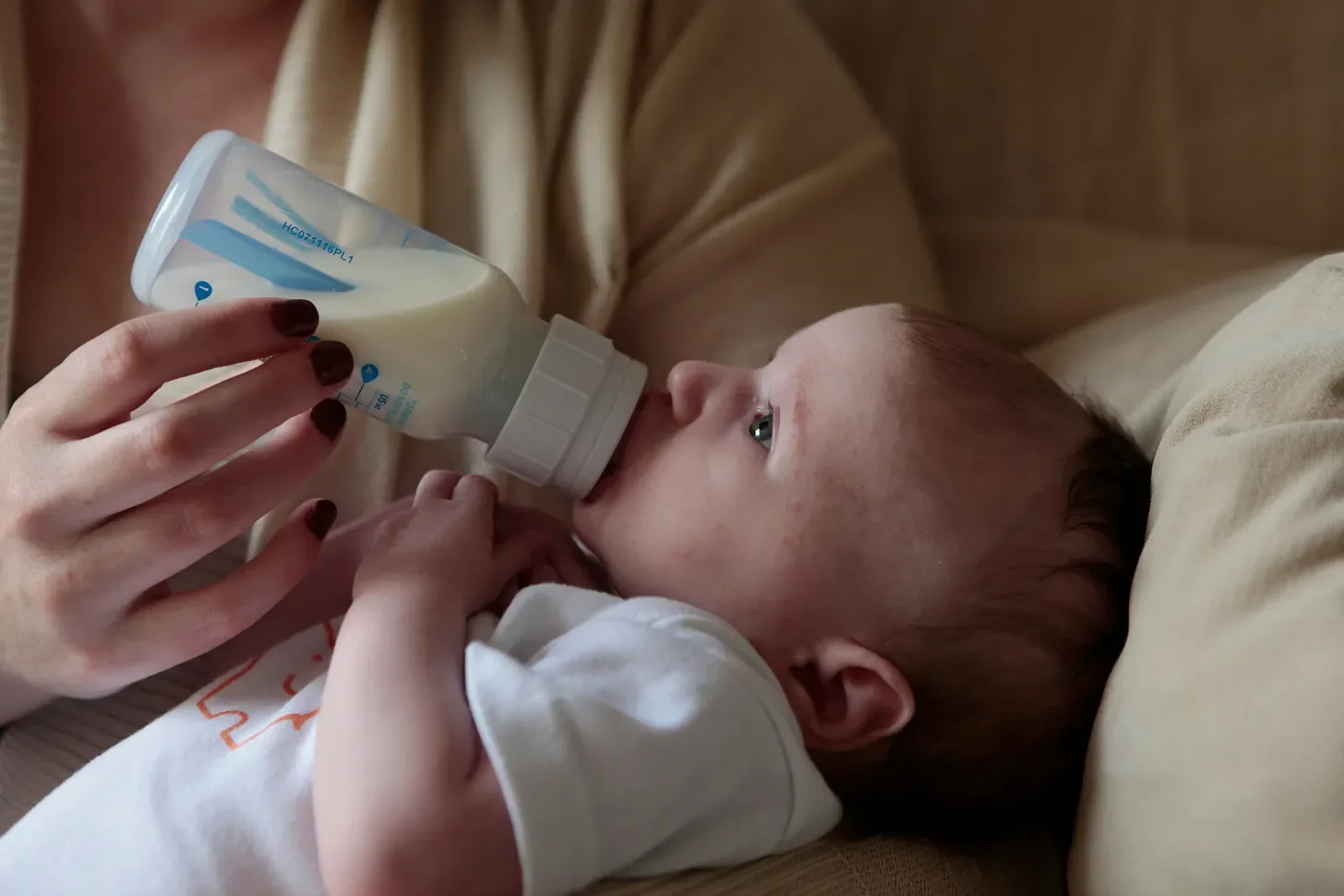
Women at work: Maternity leave and nursing mothers
Women at work: Maternity leave and nursing mothers
You get hired, you stay employed, you get accommodations. Then the baby comes.
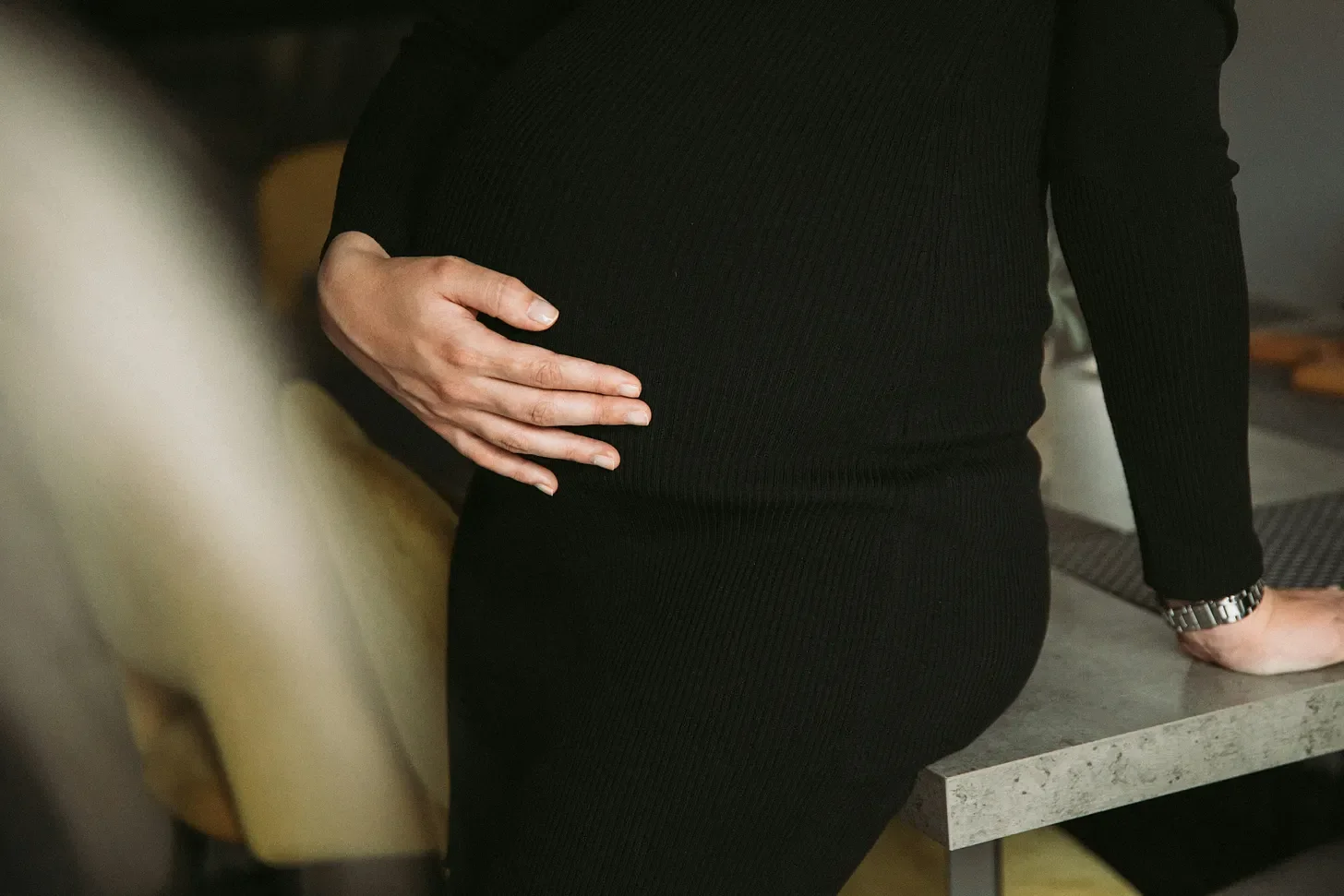
Women at work: accommodations for pregnant women
Women at work: accommodations for pregnant women
Under the PWFA, any covered employee or applicant may simply request reasonable accommodations for pregnancy, childbirth, or a related medical condition without needing to identify a similarly situated employee who received an accommodation in order to obtain one of their own.
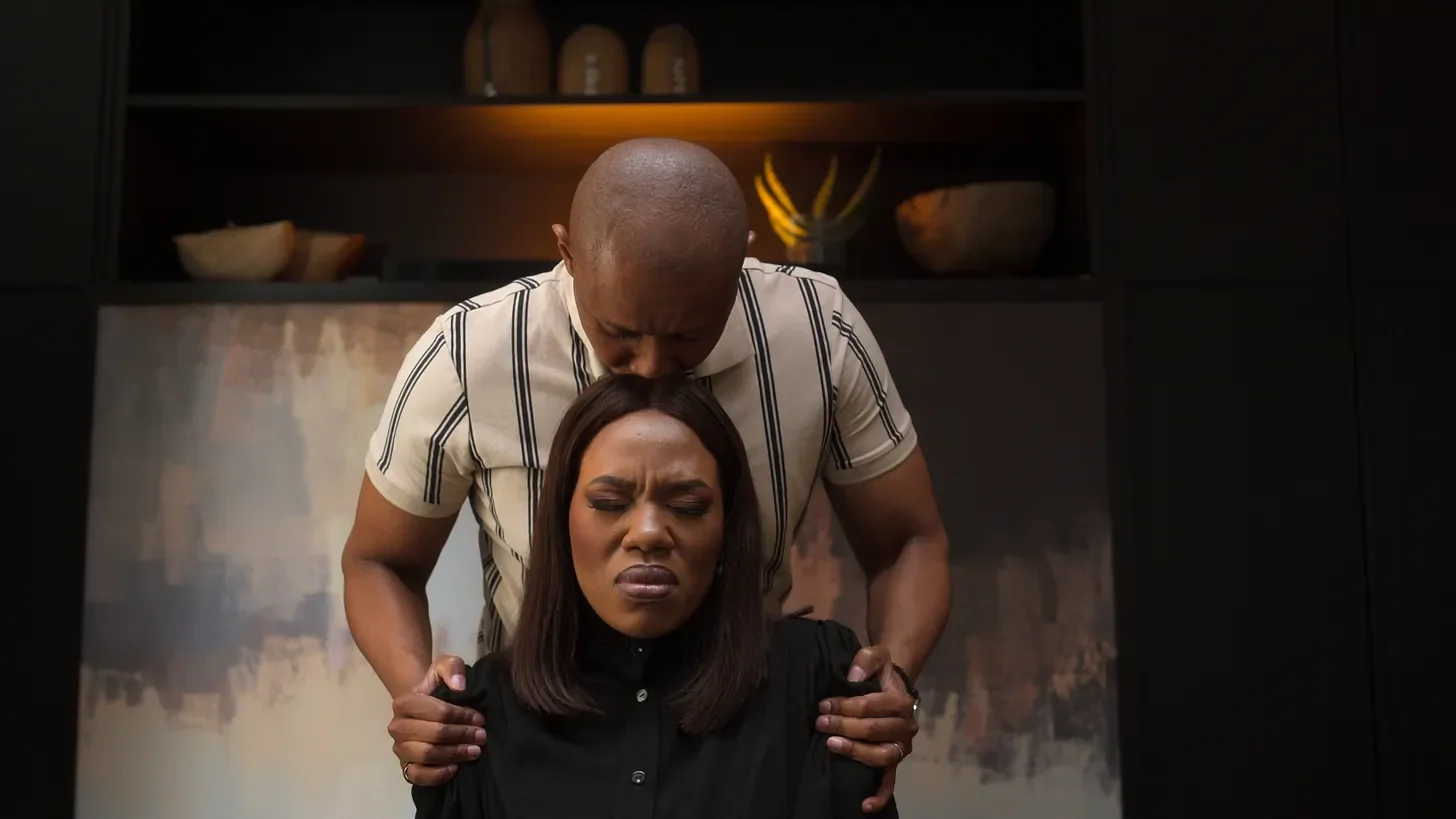
Op-ed: The distance between harm and help is not just a law problem. It's a belief problem
Op-ed: The distance between harm and help is not just a law problem. It's a belief problem
What we can learn from the Polygamist on Netflix
Society has always had something to say about women. Here, we say something back.
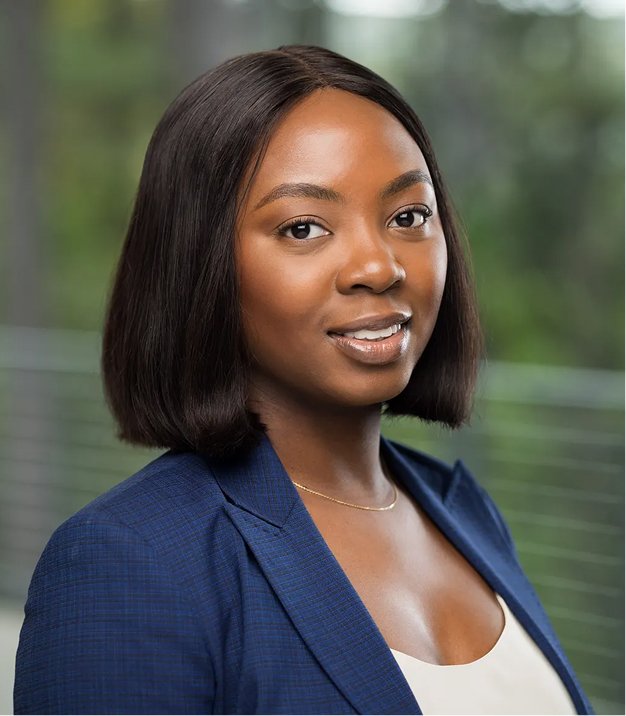
Said Differently is an analysis of feminism through law, policy, and culture, written for everyone who deserves to understand it. Because the frameworks exist to describe what women experience with precision and weight. They just aren’t widely known. That’s what this is for.
I created Said Differently because language matters. The words we use to describe what happens to women shape whether those experiences are taken seriously, redressed, or erased entirely. Imprecise language obscures harm. The right language makes it undeniable.
I’m a student at Harvard University and Dartmouth, and I’ve spent most of my life moving between continents, cultures, and contexts. This means I’ve spent most of my life watching the same things happen to women, seeing them described differently depending on where you are, and dismissed regardless. That experience is what brought me to feminist theory, and what keeps me here.
Author: Ashleigh Mazivisa